Have you ever settled into your couch, eager for a movie night, only to be disappointed because the picture was dull or washed out? I’ve been there, fumbling with projectors that just couldn’t handle the ambient light streaming through my living room windows. It’s frustrating when your home cinema dreams are dashed simply because you picked the wrong type of projector. That lightbulb moment hit me hard—understanding the differences between short throw and ultra-short throw projectors can make all the difference in creating that perfect viewing experience, even with plenty of ambient light. Today, I want to share how I navigated this tricky landscape and how you can find the ideal projector for your space. If you’ve ever wondered whether a short throw or ultra-short throw projector is better for your living room, stick around. I promise, you’ll get clarity and practical advice to transform your space into a true home theater.
Why Ambient Light Compatibility Matters More Than Ever
In most modern living rooms, ambient light is unavoidable. We keep blinds open, sunlight filters through, or lamps are on during evening movies. Traditional projectors often struggle in these environments, leading to faded images and a less-than-ideal viewing experience. That’s why understanding how different projector types perform in ambient light settings is crucial. I learned this the hard way early on—buying a standard projector without considering ambient light led to constant frustration. I was making a mistake that many newcomers do: assuming that any projector would do, without checking its ambient light handling capabilities. Once I realized this, I started looking into the specific advantages of short throw and ultra-short throw projectors, which are designed to work better in brighter environments. Curious about how these options stack up? I’ll break down their strengths and limitations, so you can make an informed choice and avoid my earlier pitfalls.
Is Ultra-Short Throw Truly Better for Bright Rooms?
Honestly, I was skeptical at first. I thought, “Isn’t this just marketing hype?” My mistake early on was focusing only on resolution and brightness specs, ignoring how the projector’s placement affects image quality in real-world conditions. It wasn’t until I tested a few models in my own living room that I saw the real difference. Ultra-short throw projectors, because they sit so close to the screen, often handle ambient light better by reducing washout and glare. They also allow for more flexible room arrangements, fitting into tight spaces without sacrificing screen size. Want to see how this works in practice? Check out this guide on the best ultra-short throw projectors for 2025 for a curated list of top models perfect for living rooms with lots of ambient light. With the right choice, you won’t need to darken your entire space to enjoy a cinematic picture.
In the next sections, I’ll walk you through the key differences between short throw and ultra-short throw projectors, how to match them to your living room conditions, and practical tips for optimizing your ambient light environment. Ready to turn your living room into a true home theater? Let’s dive in!
Position Your Projector Correctly for Best Results
Start by choosing the optimal placement for your projector. For short throw projectors, position them about 3 to 4 feet from the screen to achieve a large image without obstruction. Ultra-short throw models sit just inches from the wall, often right against it. In my living room, I initially tried placing a short throw projector at 4 feet, but the image was too small for the wall. Moving it closer to 3 feet vastly improved the size and clarity. For ultra-short throw, I placed the projector just 8 inches from the wall, which eliminated shadows and glare, especially in bright conditions. Proper placement ensures minimal distortion and optimal brightness, crucial for ambient-light environments. For detailed guidance on optimal positioning, check this comprehensive guide.
Adjust Your Screen and Room Setup
Using a matte white or grey screen helps diffuse ambient light and enhances contrast. I replaced my glossy wall with a dedicated screen, which made a noticeable difference. Keep furniture away from the projector’s light path to prevent accidental shadows. Consider installing blackout curtains or blinds for windows that spill sunlight into the room. During my setup, I used blackout curtains during daytime viewing, which made ultra-short throw projectors shine in my bright living room. For tips on ambient light control, visit this resource.
Optimize Brightness and Contrast Settings
Set your projector’s brightness to high but balance it with contrast to prevent washed-out images. In my experience, increasing brightness helped counteract ambient light, but overdoing it washed out colors. Adjust contrast and color saturation to bring vibrancy without losing detail. Use the projector’s mode settings—many models have an “ambient light” mode optimized for bright rooms. I experimented with different modes, and the ‘Living Room’ setting provided the best compromise. For specific settings tailored to your projector, consult this comparison guide.
Implement Ambient Light Control Techniques
Besides curtains, consider using bias lighting behind your screen to reduce eye strain and improve perceived contrast. Rearrange furniture to avoid reflective surfaces that bounce light onto the screen. In my setup, I added a dim bias light, which made a significant difference during evening movies. Installing side lamps with dimmable bulbs also helped control local light sources. For more detailed tips, visit this article.
Test and Fine-Tune Your Setup
Finally, test your setup under different lighting conditions. I played a familiar scene, adjusting the projector’s settings each time. I found that ultra-short throw projectors maintained image quality better in daylight, but required precise placement. Short throw models gave me more flexibility but needed darker room conditions for best results. Keep a notebook of your settings and room conditions for future adjustments. Regular testing ensures you get the most out of your projector in ambient light environments. For an in-depth review of options, see this list of top projectors.
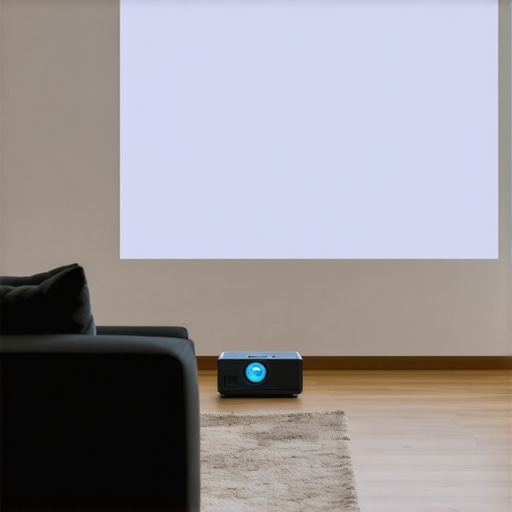
Many home theater enthusiasts fall into misconceptions that can hinder their ability to choose the right projector for ambient light environments. Let’s dig deeper into what most people get wrong about short throw and ultra-short throw projectors, and how understanding these nuances can save you from costly mistakes.
Why the Resolution Myth Isn’t the Whole Story
It’s common to believe that higher resolution always equals a better viewing experience. While resolution matters, many overlook how ambient light impacts perceived image quality. A 4K projector in a brightly lit room may still produce a washed-out picture if it isn’t designed to handle ambient light effectively. The key is to look for projectors with high lumen output and good contrast ratios, especially in bright conditions. Experts from this guide emphasize that resolution alone doesn’t guarantee brightness or contrast — factors critical for ambient-light environments.
Avoid Falling for Brightness Overestimation
Many believe that a projector labeled with high lumens will automatically excel in ambient light. However, this is a trap. Brightness figures often refer to the projector’s maximum output in a dark room, not its real-world performance in a room with windows or lights on. Overestimating lumen ratings can lead to choosing a projector that struggles with glare and washout. Instead, consider how the projector’s actual performance in ambient conditions is tested by real users. For instance, ultra-short throw models tend to handle ambient light better because they sit so close to the screen, reducing the effect of room light. For detailed comparisons, check this article.
Advanced Mistake: Underestimating Room Setup’s Role
A common mistake is to think that the projector alone can compensate for poor room setup. Brightness and contrast settings, screen material, and room lighting control are equally important. Even the best ultra-short throw projector can falter if placed improperly or if glare sources aren’t managed. I’ve seen many enthusiasts invest in high-end projectors only to be disappointed because they neglected room optimization. To truly maximize ambient light handling, you must fine-tune your setup—think of it as a system rather than just a device. For expert tips, explore this resource.
Does Short Throw or Ultra-Short Throw Work Better in Bright Rooms?
This is a nuanced question. While many assume ultra-short throw projectors are inherently better for bright rooms, the truth depends on your specific environment and needs. Ultra-short throw models excel in small, bright spaces because they sit close to the screen, minimizing glare and washout. However, they can be more sensitive to placement precision. Short throw projectors offer more flexibility but may require darker rooms for optimal image quality. The key is to match your room’s lighting conditions, space constraints, and viewing preferences. For a comprehensive comparison, consider reviewing this comparison guide. Have you ever fallen into this trap? Let me know in the comments.
Keeping your home theater projector in peak condition requires more than just initial setup; it involves ongoing maintenance and the right tools to ensure long-term performance. From cleaning routines to software updates, I’ve developed a system that helps me keep my projector running smoothly, and I’m excited to share these insights with you. Proper maintenance not only extends the lifespan of your device but also maintains image quality, especially in environments with ambient light challenges.
Why Regular Cleaning Is Non-Negotiable
Dust accumulation can significantly impact your projector’s brightness and contrast over time. I personally use a can of compressed air to gently blow out vents and filters every few months. For the lens, I rely on a microfiber cloth and a lens cleaning solution specifically designed for optical surfaces. This prevents dust and smudges from degrading image clarity. Neglecting this routine can lead to overheating and image artifacts, which are costly to repair. Regular cleaning is simple, inexpensive, and critical for preserving image quality in ambient-light environments.
How Software and Firmware Updates Make a Difference
Manufacturers frequently release firmware updates that improve image processing, color accuracy, and even energy efficiency. I make it a point to check the manufacturer’s website or subscribe to their newsletter to stay informed. Updating firmware is straightforward—usually, it involves downloading the latest version onto a USB drive and following the on-screen instructions. These updates can fix bugs that cause image flickering or performance issues, especially important when optimizing for ambient light handling. For detailed instructions tailored to your model, visit this guide.
Using Calibration Tools for Consistent Results
Calibration ensures your projector maintains accurate colors and optimal contrast over time. I recommend investing in a colorimeter or calibration disc. For everyday use, I personally prefer a colorimeter like the X-Rite i1Display Pro, which I connect via USB to run calibration software. This allows me to fine-tune brightness, contrast, and gamma settings, especially critical in rooms with variable ambient light. Regular calibration—every six months or after significant room changes—can keep your picture consistently vibrant. For detailed calibration procedures, see this resource.
Preventative Measures to Protect Your Investment
To safeguard against power surges, I use a surge protector or an uninterruptible power supply (UPS). This prevents sudden voltage spikes that can damage sensitive components. Additionally, I use a projector cover or dust shield when not in use, especially in dusty or humid environments. These simple precautions save money and keep your projector performing optimally, ensuring that ambient light conditions don’t diminish your viewing experience over time.
Future Trends in Maintenance and Tools
Looking ahead, I predict that smart diagnostics will become more integrated into projectors, providing real-time alerts for maintenance needs via smartphone apps. AI-driven calibration tools may also simplify color and brightness adjustments, making it easier for users to maintain perfect picture quality without technical expertise. Embracing these innovations will make long-term maintenance more accessible and effective, ensuring your investment continues to deliver cinema-quality images regardless of ambient light challenges.
Ready to take your projector’s longevity to the next level? Try using a calibration tool or update your firmware today to experience immediate improvements. For more expert tips on maintaining your home theater setup, visit this comprehensive guide.
What I Learned About Projector Placement That Changed Everything
The biggest lesson I discovered was that positioning your projector correctly can make or break your ambient light performance. I used to think that high lumen ratings alone would solve my issues, but I was wrong. Proper placement, especially with ultra-short throw models sitting just inches from the wall, drastically reduces glare and washout. This realization saved me countless hours of frustration and opened my eyes to how much room setup matters in achieving a bright-room cinema experience.
My Go-To Tools for a Bright Room Home Theater
Over time, I found that some tools truly transformed my setup. A dedicated matte grey screen helped diffuse ambient light, and a colorimeter like the X-Rite i1Display Pro kept my colors vibrant through regular calibration. I also rely on firmware updates from manufacturers, which often include improvements for ambient light handling. These tools and resources have become essential in keeping my projector performing at its best, even in challenging lighting conditions.
Why I Believe In Continuous Learning and Experimentation
Creating a perfect ambient-light-friendly home theater isn’t a one-and-done task. I’ve learned that ongoing testing and tweaking—adjusting brightness, contrast, and room lighting—are key. Every room and projector is different, so I stay curious and willing to experiment. My biggest tip? Don’t settle—keep refining your setup until it feels just right. This mindset has helped me enjoy my home theater more every day and can do the same for you.


Leave a Reply