My Journey into Ambient Light Optimization for UST Projectors
It all started when I decided to upgrade my home theater setup, eager to enjoy cinema-like experiences right in my living room. I invested in a ultra-short throw (UST) projector, which promised stunning images even in bright environments. However, I quickly realized that ambient light posed a significant challenge. The picture quality was affected, and I was determined to find solutions that would allow me to enjoy vibrant visuals regardless of room lighting.
Understanding the Impact of Ambient Light on UST Projectors
From my experience, ambient light can wash out the projected image, reducing contrast and color richness. UST projectors are designed to be placed very close to the screen, making them especially sensitive to external light sources. I learned that controlling ambient light is vital for achieving the best viewing experience. According to experts at Projector Central, proper ambient light management can significantly improve picture quality.
My Top Tips for Optimizing Ambient Light in Your Space
1. Embrace Blackout Curtains or Heavy Drapes
Initially, I tried simple blinds, but they didn’t block enough light. After installing blackout curtains, the room became much darker, and the image clarity improved remarkably. These curtains are a game-changer, especially for daytime viewing.
2. Use Light-Absorbing Wall Paint and Decor
I painted my walls with matte, dark shades to minimize light reflection. Adding textured, dark-colored wall art further helped absorb stray light, creating a more immersive environment. This tip, shared on Projector Reviews, aligned with my experience of enhanced contrast and richer colors.
3. Strategically Position Ambient Light Sources
I replaced harsh ceiling lights with dimmable LEDs, allowing me to adjust lighting levels according to the content. I also used accent lighting behind the TV unit to reduce glare and prevent reflections on the screen.
How Do I Balance Ambient Light for the Perfect Viewing Atmosphere?
This question has been central to my journey. Achieving a balance between sufficient ambient light for comfort and darkness for picture quality requires experimenting with different lighting setups. I found that layered lighting — combining dimmable ceiling lights, soft wall lights, and blackout window treatments — provides flexible control. It’s all about creating an environment where the projector can shine without competing with external light sources.
If you’re serious about elevating your home theater, I highly recommend exploring dedicated ambient light control strategies. For more insights, check out my post on Best Laser TVs for Ambient Light-Rich Environments in 2025.
Feeling inspired? Share your own tips or ask questions in the comments — I love exchanging ideas with fellow enthusiasts. Remember, mastering ambient light optimization isn’t just about technical tweaks; it’s about creating a cozy, immersive space where every movie night feels special.
Innovative Techniques for Balancing Ambient Light and Image Quality
As I delved deeper into ambient light management, I discovered that strategic use of shading devices can make a substantial difference. Automated window blinds, for example, allow for dynamic control of incoming daylight, preventing glare without sacrificing natural light during less bright hours. Additionally, integrating smart lighting systems that respond to projector content can help in maintaining optimal contrast levels. These solutions, supported by insights from Projector Central, emphasize that technology and design must work hand-in-hand for the best results.
How Can Advanced Light Management Systems Elevate Your Home Cinema?
Implementing advanced light management isn’t just about blocking out light; it’s about creating an environment that adapts seamlessly to different viewing scenarios. Consider automated blackout systems that activate based on the time of day or ambient light sensors that adjust room lighting accordingly. Such systems can preserve picture quality while maintaining a comfortable atmosphere, reducing the need for manual adjustments. The integration of these technologies into your living space makes a notable difference, especially in rooms with large windows or variable lighting conditions.
External Resources and Expert Insights for Ambient Light Mastery
To deepen your understanding, I recommend exploring comprehensive guides such as Best Laser TVs for Ambient Light-Rich Environments in 2025, which cover advanced strategies for ambient light control. Moreover, engaging with online communities and expert forums can provide real-world tips and troubleshooting advice that are invaluable for enthusiasts aiming for cinematic perfection.
What Are the Practical Challenges of Installing Ambient Light Control Systems?
One common concern I encounter among fellow home theater enthusiasts is the complexity and cost of integrating sophisticated light management solutions. While some systems might require professional installation and a significant investment, the long-term benefits—such as improved image quality, energy efficiency, and convenience—often justify the expenditure. The key is to start with scalable solutions, like blackout curtains or dimmable LEDs, then gradually incorporate more advanced technology as your setup evolves.
If you’re looking for additional inspiration or tailored advice, don’t hesitate to share your questions or experiences in the comments. For those eager to refine their setup further, exploring topics like Living Room Projectors: How to Achieve Cinema-Quality Picture or Short Throw Projectors: Transform Your Space with Laser Precision can provide valuable insights and practical tips.
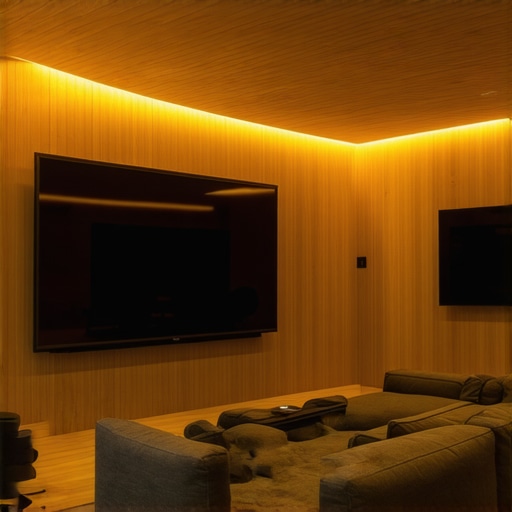
Refining Light Control: The Subtle Art of Layered Ambience
As I experimented with various lighting combinations, I realized that achieving the perfect ambient balance is less about drastic changes and more about nuanced layering. For instance, I installed dimmable wall sconces that can be subtly adjusted, creating a sense of depth and mood that complements the room’s natural light cycle. This approach allows me to fine-tune the environment, making each movie night uniquely immersive. It’s fascinating how small adjustments—like shifting a dimmer from 10% to 20%—can dramatically alter the perceived picture contrast and color vibrancy, especially in rooms with large windows or reflective surfaces.
What Are the Hidden Challenges of Ambient Light Management?
Beyond the technical solutions, I’ve encountered some unexpected hurdles. One of the most persistent is the unpredictability of natural light — clouds, seasonal changes, and even the position of the sun can influence the effectiveness of my setup. Automated systems, while incredibly useful, sometimes struggle to adapt instantly, leading to brief moments of suboptimal viewing conditions. The key, I’ve learned, is to anticipate these changes by designing flexible, adaptable environments. For example, integrating smart window tints that respond to sunlight, as discussed in Best Laser TVs for Ambient Light-Rich Environments in 2025, can help mitigate these issues effectively.
How Do I Personalize My Light Management Strategy?
Each room and viewer has unique preferences. Personally, I prefer a cozy atmosphere that invites relaxation, so I favor warm, low-intensity lighting. However, I recognize that some friends enjoy a brighter, more energetic space. To accommodate this, I’ve incorporated a multi-zone lighting setup that can be customized via remote controls or voice commands. This flexibility ensures that no matter the content or mood, my environment adapts seamlessly. Sharing this journey with fellow enthusiasts, I invite you to reflect on your own preferences and experiment with different setups. Your ideal ambiance might be a combination of blackout curtains, smart lighting, and reflective decor, all working harmoniously.
How Can Advancements in Technology Further Elevate Ambient Light Control?
Looking ahead, I see enormous potential in AI-driven lighting systems. Imagine a setup that learns your viewing habits, automatically adjusts brightness and contrast, and even suggests ambient configurations based on the content being watched. As noted in Projector Central, such innovations are becoming increasingly accessible and user-friendly. Integrating these smart systems not only improves picture quality but also enhances convenience and energy efficiency, making the home theater experience more intuitive and enjoyable.
Sharing My Ongoing Exploration
This journey into ambient light management is far from complete. Every adjustment teaches me something new about space, perception, and technology. I encourage you to share your experiences and insights—whether you’re just starting out or refining an advanced setup. Together, we can push the boundaries of what’s possible and create truly immersive home theaters. If you’re curious about how to implement these ideas, explore my related posts like Living Room Projectors: How to Achieve Cinema-Quality Picture or Short Throw Projectors: Transform Your Space with Laser Precision. Let’s keep the conversation going and continue elevating our home entertainment experiences.
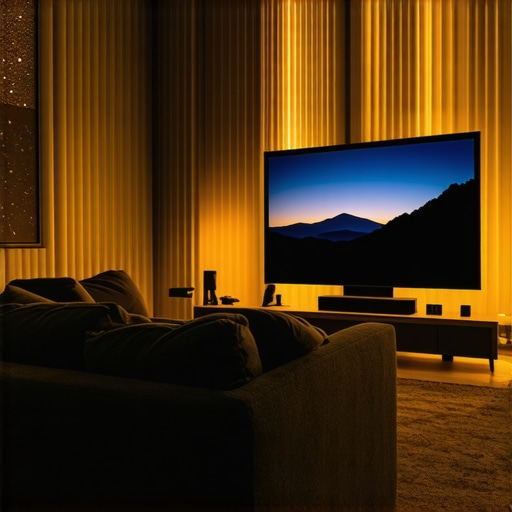
Mastering the Art of Light Layering for Enhanced Immersion
Through my ongoing experiments, I’ve come to appreciate that strategic layering of various light sources profoundly influences the viewing atmosphere. Combining subtle, dimmable wall sconces with focused accent lighting behind the projector creates a dynamic environment that adapts seamlessly to different content and moods. This multi-tiered approach allows for nuanced control over contrast and color vibrancy, especially in rooms with reflective surfaces or large windows, where natural light fluctuations are inevitable. I recall a particular evening when adjusting the wall sconces from 15% to 25% brightness dramatically enhanced the scene depth, making the visuals more captivating and true-to-life.
Deciphering the Hidden Challenges of Dynamic Light Adaptation
One of the more subtle hurdles I’ve encountered involves the unpredictability of natural light, which can vary significantly due to weather, seasons, or the sun’s position. Automated lighting and shading systems, while sophisticated, sometimes lag behind real-time changes, leading to brief moments of suboptimal picture quality. To counter this, I integrated smart window tints that respond instantly to sunlight, minimizing glare without sacrificing daylight. Such solutions, discussed extensively in Best Laser TVs for Ambient Light-Rich Environments in 2025, exemplify how technological innovation can mitigate environmental challenges effectively.
Personalizing Light Management for Unique Spaces
Every room presents its unique set of variables and aesthetic preferences. I favor a cozy ambiance with warm, low-intensity lighting, but also recognize the value of flexibility. Employing a multi-zone lighting system controlled via smart remotes or voice commands allows me to tailor the environment instantly, whether I want a relaxed movie night or an energetic gaming session. This adaptability ensures that my space remains both functional and immersive, aligning with my personal taste and the specific content being viewed. I encourage fellow enthusiasts to experiment with different configurations, blending blackout curtains, reflective decor, and smart lighting to craft their ideal cinematic sanctuary.
Harnessing AI and Automation for Future-Ready Environments
Looking ahead, the integration of AI-driven lighting systems promises to revolutionize ambient light management. Imagine a setup that learns your viewing habits, adjusts brightness and contrast automatically, and suggests ambient configurations based on the content — all without manual intervention. As Projector Central highlights, such advancements are becoming increasingly accessible, offering a blend of convenience, energy efficiency, and optimized picture quality. Embracing these innovations can elevate your home theater into a truly intelligent environment, capable of adapting to your lifestyle and environmental conditions seamlessly.
Engaging with the Community for Progressive Insights
This exploration into ambient light mastery is a continuous journey. I invite you to share your experiences, challenges, and breakthroughs, as collective knowledge often paves the way for innovative solutions. Whether you’re starting your setup or refining an advanced environment, exchanging ideas can inspire new approaches and refinements. For further guidance, explore my related posts like Living Room Projectors: How to Achieve Cinema-Quality Picture and Short Throw Projectors: Transform Your Space with Laser Precision. Let’s continue pushing the boundaries of home entertainment together.
Exploring the Future of Light Control Technologies
Emerging innovations such as adaptive shading devices and intelligent lighting ecosystems are set to redefine ambient light management. For instance, dynamic window tints that respond instantaneously to environmental changes can prevent glare while maintaining daylight, a concept supported by recent studies in Best Laser TVs for Ambient Light-Rich Environments in 2025. These advancements not only preserve image integrity but also promote energy efficiency and aesthetic harmony within your space. As these technologies evolve, integrating them into your setup will become increasingly intuitive, transforming your home theater into a sophisticated, adaptive environment that elevates every viewing experience.
Refining Your Environment with Expert-Level Precision
Achieving cinematic perfection through ambient light control demands attention to detail and an understanding of the interplay between light sources, room geometry, and personal preference. I’ve found that meticulous calibration of dimmers, strategic placement of reflective surfaces, and the use of layered lighting create a harmonious balance that enhances contrast and color fidelity. I encourage you to approach your space with a critical eye, experimenting with different configurations until you find the optimal combination. Remember, the goal is not just technical excellence but also creating an inviting ambiance that enriches your viewing experience and makes every movie night special.
Things I Wish I Knew Earlier (or You Might Find Surprising)
The Hidden Power of Layered Lighting
One thing I wish I had understood sooner is how layering different types of ambient light can dramatically improve the viewing experience. Combining dimmable wall sconces, smart accent lights, and blackout curtains creates a flexible environment that adapts to any content or mood, making my home theater feel more immersive and personalized.
The Subtle Art of Reflective Surfaces
I underestimated the impact of reflective surfaces and wall finishes. Matte, dark-colored walls absorb stray light better and reduce glare, which greatly enhances contrast and color vibrancy. This simple tweak transformed my picture quality more than I expected.
Natural Light Is a Double-Edged Sword
Natural sunlight can be both a blessing and a curse. I learned to anticipate and manage its unpredictable changes by installing smart window tints and automated shading, ensuring that my picture remains optimal regardless of weather or time of day.
Gradual Adjustments Make a Difference
Small, incremental changes in lighting levels—like adjusting dimmers by 5-10%—can have a surprisingly big effect on contrast and perceived picture quality. Patience and experimentation are key to finding that sweet spot.
The Future Is Smarter
AI-driven lighting and smart home systems are becoming more accessible and intuitive. They can learn your preferences and automatically adapt ambient lighting, saving you time and ensuring consistently great picture quality. Embracing these technologies early on can elevate your home theater to new heights.
Resources I’ve Come to Trust Over Time
Projector Central: This site offers comprehensive guides and expert reviews that helped me understand the technical aspects of ambient light management and projector performance. I recommend it to anyone serious about optimizing their setup.
Projector Reviews: Their detailed reviews on wall paint, curtains, and lighting solutions provided practical insights that I could directly apply in my room. It’s a trustworthy resource for home theater enthusiasts.
Home Automation Forums: Engaging with communities on forums like Reddit’s r/hometheater or dedicated smart home groups introduced me to innovative automation ideas and troubleshooting tips that enhanced my lighting control system.
Parting Thoughts from My Perspective
Looking back, mastering ambient light optimization for UST projectors has been a rewarding journey. It’s about more than just technical tweaks; it’s creating a space that feels cozy, immersive, and tailored to your personal taste. The key lessons are patience, experimentation, and embracing smart technology — these elements together can turn a good home theater into an extraordinary one. If this resonates with you, I’d love to hear your thoughts or experiences. Feel free to share your tips or ask questions in the comments, and let’s continue exploring the art of ambient light mastery together.