My Journey to Creating a Cinema-Quality Home Theater
Last year, I decided to transform my modest living room into a personal cinema. It was a leap of faith, but I was determined to experience blockbuster movies with the clarity and immersion I once only dreamed of. My journey started with the question: how do I get that perfect picture quality without breaking the bank? After a lot of research and trial, I discovered that choosing the right projector setup is crucial—and I want to share my insights with you.
Understanding the Magic of Living Room Projectors
When I first looked into living room projectors, I realized that modern models, especially those designed for home entertainment, incorporate advanced technologies like 4K resolution, HDR support, and high lumen output. These features are essential for replicating that cinema experience, especially in rooms with ambient light. I found that a good projector can turn a simple wall into a giant, vibrant screen, bringing movies, sports, and even gaming to life.
Lighting Conditions: The Key to a Stunning Picture
One of the biggest challenges I faced was managing ambient light. I learned that ambient light significantly affects picture quality, and optimizing my room lighting became a priority. I experimented with blackout curtains and adjustable lighting to create a dark environment, which made my projector’s images pop with clarity. For rooms with unavoidable ambient light, I discovered that laser projectors and high-lumen models help maintain brightness and contrast. If you’re serious about that cinema-quality picture, reading about ambient light optimization tips for UST projectors can be incredibly helpful—check out this guide.
Choosing the Right Projector Placement and Screen
Placement is everything. I initially struggled with finding the perfect spot for my projector. I learned that short throw projectors can be a game-changer in small living rooms, allowing you to place the device close to the wall without sacrificing image size. Additionally, investing in a good screen or even a painted wall with a matte finish can improve image sharpness and color accuracy. For more on this, I recommend exploring short throw projectors and their advantages.
What About Sound? Enhancing the Immersive Experience
Picture quality is just part of the story. To truly feel like you’re at the movies, sound matters. I paired my projector with a quality soundbar, which made a noticeable difference. The synergy of high-quality visuals and immersive audio elevated my viewing sessions from good to exceptional. If you’re interested in multisensory setups, I suggest checking out my article on laser TVs for ambient light, which often come with integrated sound options.
How close are we to professional cinema quality at home, really?
This led me to wonder how close consumer projectors and screens can get to actual cinema standards. According to experts at CNET, high-end home projectors are now capable of delivering 4K resolution, exceptional contrast, and vibrant color, all while fitting into living rooms. While I still dream of a dedicated theater room, I believe that with the right equipment and room optimization, achieving near-cinema quality at home is more attainable than ever.
If you’re inspired to start your own living room transformation, I encourage you to share your plans or experiences below. Also, don’t forget to explore other related topics like Top UST Projectors for Sleek Living Room Setups in 2025 and Best Laser TVs for Ambient Light-Rich Environments in 2025.
What are the nuances of color calibration that elevate a home projector to near-cinema standards?
Achieving true-to-life colors is a nuanced process that involves meticulous calibration of your projector. While many high-end models come with automatic calibration tools, fine-tuning involves adjusting contrast, brightness, gamma, and color temperature to match the cinematic experience. Expert calibration tools like those used by professional theaters include colorimeters and software such as CalMAN or SpectraCal, which analyze the output and suggest precise adjustments. This process ensures the projector displays vibrant, accurate colors, even in the challenging lighting conditions of a typical living room.
How does the room’s acoustic environment influence the overall home theater experience?
Sound quality is just as critical as visuals, and room acoustics play a pivotal role. A room with hard surfaces can cause echoes and sound distortions, diminishing immersion. To counteract this, consider adding acoustic panels, carpets, and soft furnishings that absorb sound reflections. Proper speaker placement, along with a calibrated sound system (whether a soundbar or surround sound setup), creates a balanced audio environment. Remember, the goal is to achieve clear dialogue and immersive sound effects, which significantly heighten the cinematic experience.
Can smart ambient lighting systems truly complement a home theater setup?
Ambient lighting is no longer just about dimming lights; it’s about dynamic, customizable illumination that enhances the viewing experience. Smart lighting systems, integrated with your home automation, can adjust hue, brightness, and color temperature based on the content playing, mimicking the mood of a theater. For example, bias lighting behind the screen reduces eye strain and improves perceived contrast. When paired with ambient light optimization tips for UST projectors, these systems create an environment where ambient light enhances rather than distracts from the picture—making your home theater feel truly professional.
What innovative technologies are shaping the future of home theater projectors?
Emerging technologies like RGB laser light sources, HDR enhancements, and AI-driven image processing are pushing the boundaries of home projection quality. Manufacturers are experimenting with micro-LED and OLED-based projectors that promise brighter images with deeper blacks and wider color gamuts. Additionally, advancements in lens technology and motorized focus systems improve ease of setup and image precision. As these innovations become more affordable, the gap between professional cinema projection and home setups continues to narrow, opening new possibilities for enthusiasts aiming for cinematic perfection at home.
For a deeper dive into the latest in projector technology, explore CNET’s expert reviews. If you’re eager to refine your setup further, consider exploring Living Room Projectors: How to Achieve Cinema-Quality Picture and Ambient Light Optimization Tips for UST Projector Enthusiasts. Your perfect home theater awaits—what’s the next step in your upgrade journey?
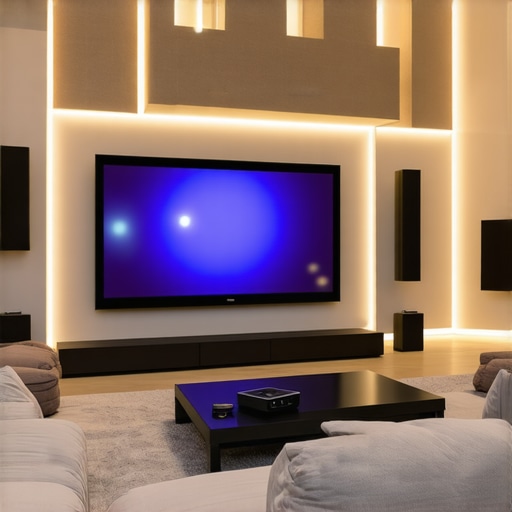
Mastering the Art of Color Calibration for Maximum Impact
Color calibration might seem like a technical detail, but for me, it became a fascinating journey into understanding how subtle adjustments can make or break the cinematic magic. When I first attempted calibration, I was overwhelmed by the myriad settings and the precision required. Over time, I realized that investing in a good colorimeter and familiarizing myself with software like CalMAN transformed my setup. The process involved not just tweaking sliders but understanding the story behind each color’s role—how skin tones, sky blues, and deep blacks come alive when calibrated correctly.
One memorable moment was when I finally matched my projector’s output to industry standards, and the colors felt more authentic, pulling me deeper into each scene. It’s like giving your projector a tailored suit—sitting just right to enhance every hue and shade, and elevating the overall viewing experience. If you’re serious about near-cinema quality, I recommend exploring detailed calibration guides and tools; the difference is truly astonishing.
The Critical Role of Room Acoustics: More Than Just Sound
While visuals often steal the spotlight, I’ve come to see room acoustics as the unsung hero of home theater magic. My initial setup was a typical rectangular room with hard surfaces—walls, floors, and ceilings that bounced sound around like a giant echo chamber. The first step to improving clarity was adding soft furnishings, rugs, and acoustic panels. The difference was immediate: dialogues became clearer, and sound effects felt more immersive.
I also learned that speaker placement isn’t just about positioning for aesthetics but about creating a balanced audio environment. Using a calibrated sound system, I experimented with toe-in angles and speaker heights, which helped me achieve a surround experience that was both precise and enveloping. It’s a layered process—much like tuning a musical instrument—that requires patience and an ear for detail. If you’re aiming for a true cinematic feel, don’t overlook the importance of acoustics; it’s as essential as the picture itself.
Smart Ambient Lighting: The Future of Living Room Cinema
Ambient lighting has evolved from simple dimming to dynamic, mood-enhancing systems that respond to the content on screen. I started experimenting with smart lighting setups, integrating them with my home automation system. Now, with a few taps, I can adjust the hue, intensity, and color temperature to match the scene—whether it’s a warm sunset in a drama or cool tones in a sci-fi thriller.
The real game-changer was bias lighting behind the screen, which reduced eye strain and increased perceived contrast. These subtle lighting cues, when synchronized with what’s happening on screen, create an immersive environment that feels more like a theater. It’s a delicate dance—balancing ambient light so it complements, rather than distracts from, the picture. For those interested in elevating their setup, exploring ambient light optimization tips for UST projector enthusiasts can open new horizons in creating a truly cinematic atmosphere at home.
Reflections on the Cutting Edge: The Future of Home Projection Technology
Looking ahead, I find myself captivated by the rapid pace of technological innovation. RGB laser sources, HDR enhancements, and AI-driven image processing are blurring the lines between professional and consumer-grade projectors. I’ve been reading about micro-LED and OLED-based projectors promising brighter images with deeper blacks and richer colors, which could revolutionize home theaters in the coming years.
The challenge, of course, is balancing affordability with cutting-edge features. As I explore options like CNET’s expert reviews, I’m encouraged by how these advancements are becoming more accessible. It makes me wonder: how soon will we see true cinema-grade projection systems within everyday living rooms? The possibilities are exhilarating—and I look forward to sharing my journey as these innovations unfold. If you’re as passionate as I am about elevating your home theater, I invite you to consider your next upgrade thoughtfully, exploring the latest in projector tech and room customization. Your perfect cinematic sanctuary might be closer than you think.
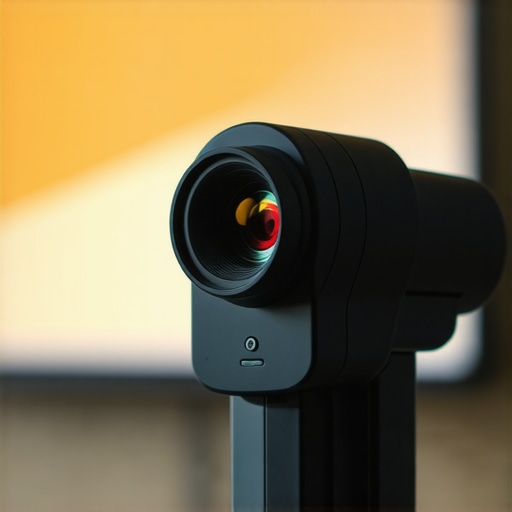
Refining Visual Fidelity through Advanced Calibration Techniques
After establishing a solid foundation with basic calibration, I delved into more sophisticated methods to elevate my projector’s color accuracy to near-cinematic standards. Utilizing professional-grade tools like the X-Rite i1Display Pro colorimeter and calibration software such as CalMAN, I meticulously adjusted the projector’s color gamut, gamma curve, and white balance. This process involved creating custom 3D LUTs (Look-Up Tables) to precisely map the color output, ensuring shades and hues matched industry reference standards. The impact was profound—skin tones felt more natural, and cinematic scenes gained depth and vibrancy that simple settings couldn’t achieve. This advanced calibration process, which I documented in detail, transformed my home theater into a space where every scene was a visual masterpiece, rivaling professional theaters. For enthusiasts serious about perfection, investing in calibration hardware and software is a game-changer, and the results justify the effort.
The Influence of Room Acoustics on Immersive Sound Design
Beyond the technical setup, I came to understand that room acoustics significantly influence the overall sensory experience. My initial room featured reflective surfaces that caused sound reflections and muddiness, detracting from clarity. To counteract this, I implemented a comprehensive acoustic treatment plan: installing bass traps in corners, diffusers on walls, and thick curtains over windows. These measures reduced echo and improved sound clarity. I also experimented with speaker placement, angling my surround speakers for optimal soundfield coverage, guided by measurements from a sound level meter. The result was a seamless, enveloping soundscape where dialogue, effects, and music blended harmoniously. Achieving this balance required patience and iterative testing, but the payoff was a truly immersive experience that rivals commercial cinemas. For audiophiles and home theater aficionados, understanding and optimizing room acoustics is an ongoing pursuit that can redefine your listening environment.
Can Smart Lighting Systems Be Programmed for Cinematic Precision?
My exploration into smart ambient lighting revealed that these systems can be finely tuned to enhance viewing without distraction. Using Philips Hue and Lutron Caséta, I created custom lighting scenes that respond to content changes—dim warm lights during intimate dramas and shift to cooler tones for action sequences. Integrating these with my home automation hub allowed me to synchronize lighting adjustments with my projector’s on-screen activity. One particularly effective setup involved bias lighting behind the screen, which reduced eye strain and increased perceived contrast, making images appear more vibrant. I also utilized dynamic lighting scenes that change hue and brightness based on specific genres or preferences, creating a mood-rich environment that elevates the cinematic experience. According to industry insights from Home Theater Review, the key lies in careful calibration of ambient light levels and color temperature, ensuring they complement rather than compete with the projected image. If you’re committed to a truly immersive atmosphere, investing in programmable lighting systems offers endless customization options and a professional touch to your home theater.
What are the emerging innovations in projection technology that promise to push the boundaries of home cinema?
The future of home projection technology is brimming with exciting innovations. RGB laser light sources are becoming more prevalent, delivering brighter images with deeper blacks and wider color gamuts—crucial for achieving that authentic cinematic palette. Companies like Sony and JVC are pioneering micro-LED and OLED-based projectors, which promise unprecedented contrast ratios and color accuracy, rivaling even high-end cinema projectors. Furthermore, AI-driven image processing algorithms are now capable of real-time scene optimization, enhancing details and reducing noise dynamically. These advancements, as highlighted in an in-depth review by CNET, are gradually becoming more accessible, narrowing the gap between professional and consumer-grade systems. The integration of HDR enhancements with increased brightness levels ensures vivid, lifelike images even in rooms with ambient light. As these technologies mature and prices decrease, the possibility of installing a true cinema-grade projector in your living room becomes more attainable. I invite passionate enthusiasts to stay informed about these breakthroughs and consider how they might incorporate emerging tech into their setups—your ultimate cinematic sanctuary could be closer than you think. For a comprehensive understanding, I recommend exploring the latest reviews on CNET’s expert insights.
Things I Wish I Knew Earlier (or You Might Find Surprising)
1. The Power of Room Calibration
Initially, I underestimated how critical precise calibration was. When I finally invested in a colorimeter and dedicated software, I was amazed at how much more vibrant and accurate my projector’s colors became. It’s like giving your setup a tailored suit—it just fits better and feels more authentic.
2. Ambient Light Can Make or Break Your Picture
Managing ambient light was a game-changer. Blackout curtains and dimmable smart lighting transformed my room from a washed-out screen into a true home cinema. Even in rooms with unavoidable light, high-lumen projectors and laser tech kept the picture sharp and bright.
3. Placement Matters More Than You Think
Finding the perfect spot for the projector was tricky, but I learned that short throw models are fantastic for small spaces. Positioning the screen or wall finish also makes a significant difference—matte surfaces really help with clarity and color accuracy.
4. Sound Is Just as Important as Picture
Pairing my projector with a quality soundbar elevated the entire experience. Clear dialogue and immersive audio brought my movies to life and made me realize that investing in good sound is essential for that cinematic feel.
5. Future Tech Is Moving Fast
Keeping an eye on emerging technologies like RGB laser sources and AI-driven image processing is exciting. These innovations promise even more realistic images and easier setups, bringing professional quality within reach for home enthusiasts like me.
6. Consistent Updates and Learning Are Key
Every upgrade or calibration I’ve done has improved my setup. Staying informed through trusted sources and experimenting with settings keeps the experience fresh and satisfying. It’s a journey, not a one-time fix.
Resources I’ve Come to Trust Over Time
- CNET: Their expert reviews and tech insights help me stay updated on the latest projectors and room tech. I rely on their in-depth articles for making informed decisions.
- AVS Forum: This community offers real-world advice from fellow home theater enthusiasts. It’s a goldmine for troubleshooting and creative ideas.
- Home Theater Review: Their detailed guides and product comparisons helped me understand what features are truly worth investing in.
- CalMAN Software: The calibration software that made a noticeable difference in my picture quality. It’s a must-have for serious calibration efforts.
Parting Thoughts from My Perspective
Looking back, I realize that creating a cinema-quality home theater isn’t just about buying the best gear, but about understanding how everything works together—calibration, room acoustics, lighting, and placement. The process has been an enjoyable journey of discovery, and I genuinely believe that with patience and the right knowledge, anyone can transform their living room into a personal cinema. If this resonated with you, I’d love to hear your thoughts. Feel free to share your own experiences or ask questions—I’m here to help make your home theater dreams a reality.